By Michelle Rawlins
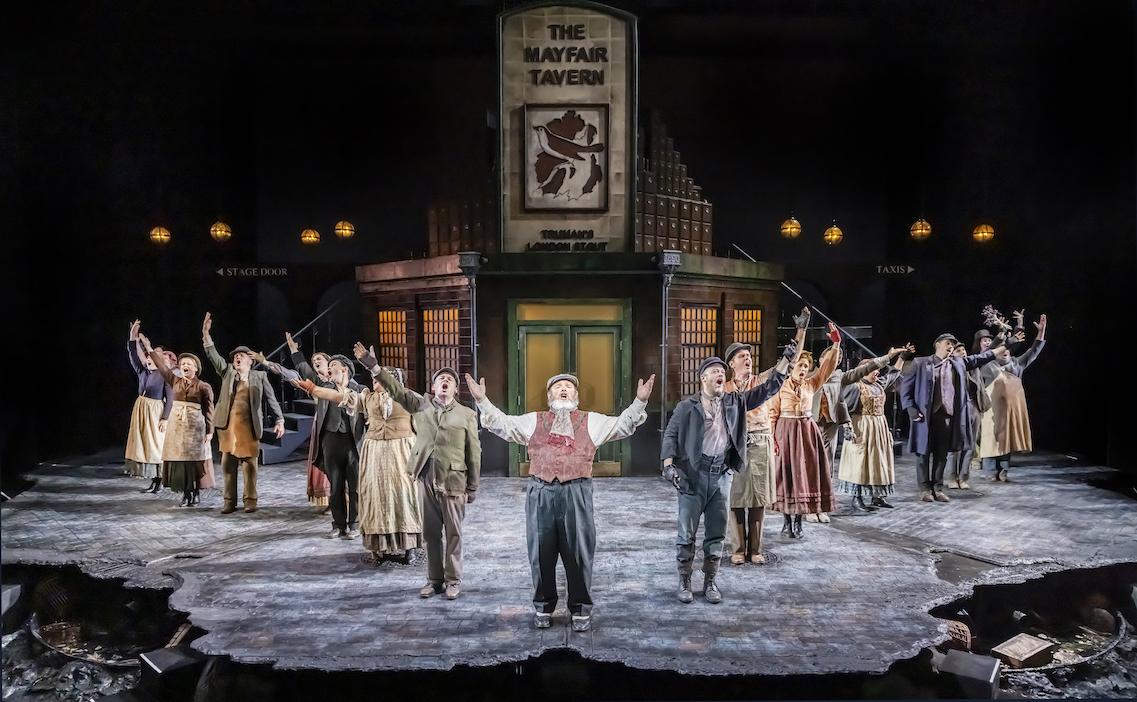
This latest adaptation of My Fair Lady is a an utterly ‘loverly’ masterpiece bringing the delectable American classic back to life, with all the chaos, wit and joy you would expect.
In collaboration with the esteemed Opera North, Leeds Playhouse has created an uplifting spectacular of a show, combining stellar acting with a phenomenal musical score.
All the themes you would expect are there; the glaring disparities between the working classes and those who reside in the upper-class echelons of society. And how women are there to be showed off, as opposed to considered on their own merit.
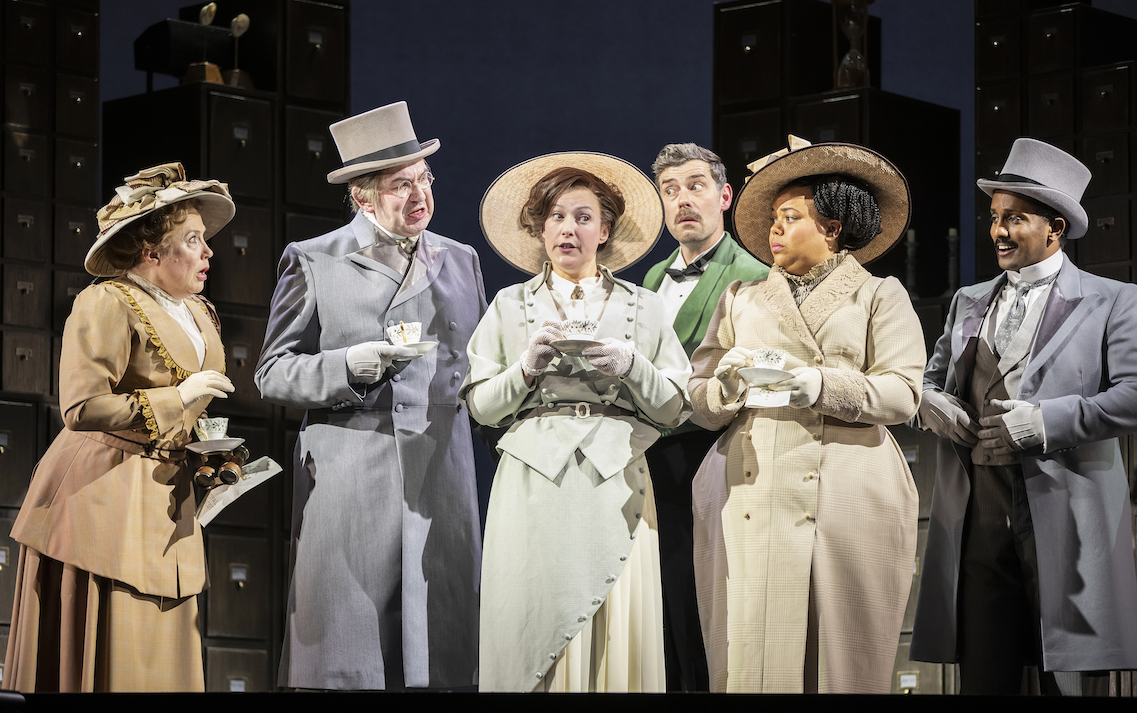
But director James Brining has added a few new touches. Eliza Doolittle, under the tutelage of the renowned and effervescent linguist, Henry Higgins, is recreated as a respectable ‘genteel’ woman of society. But she is a little feistier, ensuring the underlying misogyny and class divisions are not simply accepted. Soprano Katie Bird brings to life the Cockney flower girl, ensuring she is far from feeble, but instead a strong, hard-working woman, determined to carve out a future for herself.
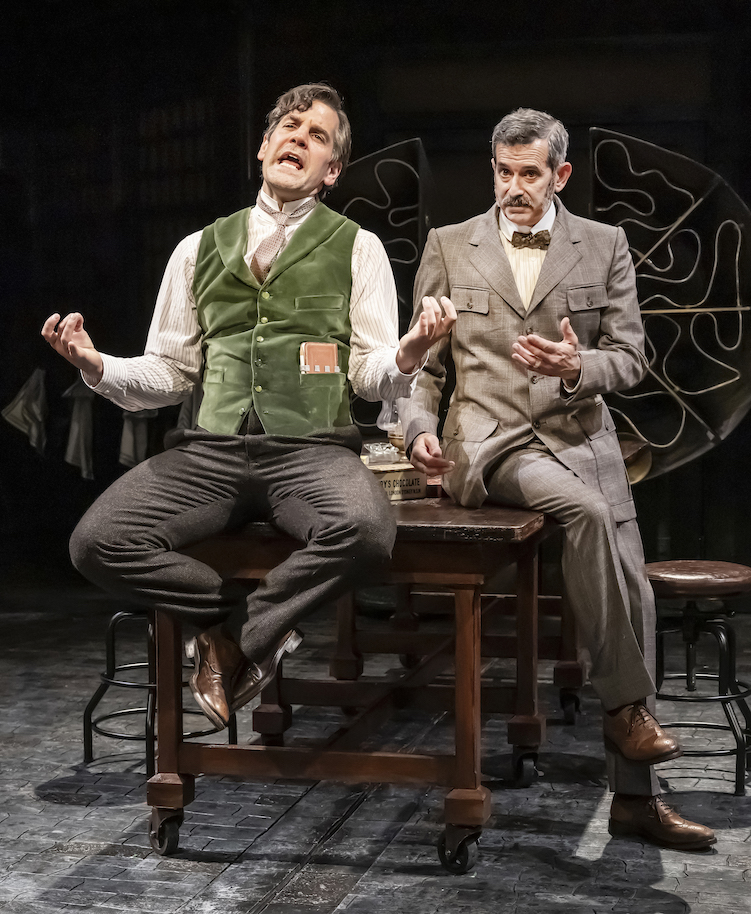
The dominant male characters Higgins (John Hopkins), Colonel Pickering (Dean Robinson) and Alfred Doolittle (Richard Mosley-Evans) bring all the amusing one-liners and comedy capers this ‘Golden Age’ show is known for. Each has their own nuanced, and rather touching, relationship with Eliza. Higgins, in particular, treads a fine line between being a bullyish task master and a charming, personable advocate for Eliza, maybe realising a little too late how much he genuinely cares for her.
Musical director, Oliver Rundell, uses Frederick Loewe’s score to create depth and emotion to the thoughtfully created 160 minute show. All the favourites are there, including Wouldn’t It Be Loverly?, Get Me To The Church On Time, and I Could Have Danced All Night, which show off the extraordinary talent of the Opera North chorus.
The eye-catching split-level set, designed by Madeleine Boyd, is clever, working to visualise the upstairs-downstairs state of Edwardian society, as well as functioning as a public house in one scene and a box at Ascot the next. The horse racing scene is a particular highlight, when the chorus, dressed up to the nines appear from behind a peep board, gently highlighting the difference in class. Especially when Eliza falls back into her native tongue, causing eyes to roll.
Brining’s thought-provoking ending allows the audience to make their own mind up about whether Eliza will return to the now forlorn, self-pitying Higgins, for good. It’s a clever twist and a perfect ending to this delightful production.
Running until June 29
Tickets Here
Photos by Pamela Raith