Reviewed at: The Lyceum, Sheffield by Michelle Rawlins
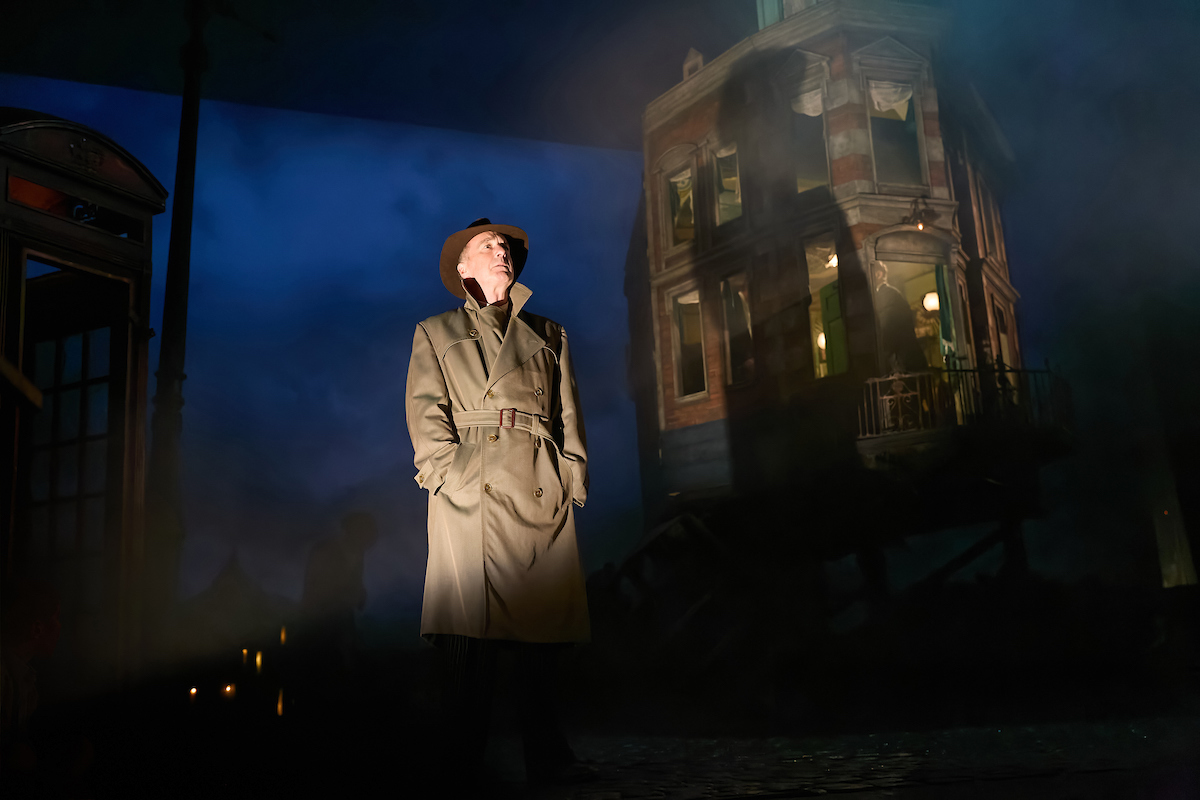
The Inspector was a welcome visitor to Sheffield’s Lyceum. But the Birling family, who he pays an unexpected call to during an engagement party, weren’t as keen to hear from the haunting figure in this retelling of JB Priestley’s 20th century thriller.
Stephen Daldry, with the expertise of Ian MacNeil, has given the play a magnificent new facia, replacing the dining room, where the celebrations were traditionally held, with an Edwardian style fairy tale esq doll’s house. It domineers the post-blitz landscape, ensuring the contrast of the working and upper classes is ever present.
The plot revolves around the smug and wealthy factory owning Birlings, who live a comfortable life in the industrial heart of Northern England. The very self-satisfied Mr Birling is also a former politician, always keen to flaunt this title. His snooty wife sits of the board of worthy charity groups. Both are happy to lord over the working classes they employ and frown upon in equal measure.
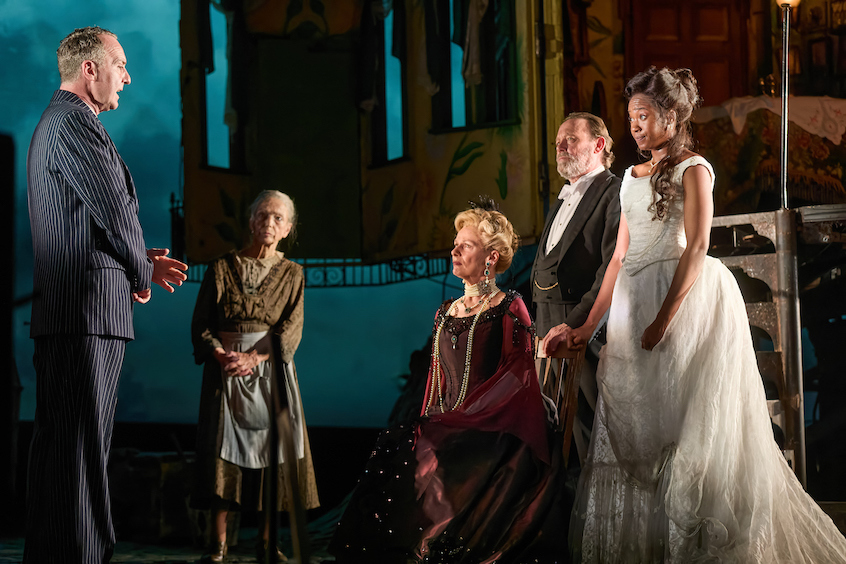
Their perfect genteel lifestyle is brought into question when a police inspector comes knocking on their door. He tells them that a young woman has taken her own life in the most harrowing of manners- swallowing a fatal amount of disinfectant. Then he begins to analyse, with a disturbingly sharp insight, each of the family members.
The production delves into the wide societal divides of the post-war time era it was written in. World War II had just ended and, for many, life meant living in poverty-stricken drudgery, exploited by the rich upper-classes. The story is supported by stellar performances by the cast and a haunting set, which amplifies JB Priestley’s strong socialist principals and hopes for a more compassionate world.
Liam Brennan makes for an excellent Inspector Goole. As a mouthpiece for Priestley’s own views, he expertly annihilates each member of the party, bringing to light their connection to Eva Smith’s needless death.


Only the spoilt and newly engaged, Sheila Birling (Chloe Orrock) and her guilt-ridden, brother, Eric (George Rowlands), are willing to accept their part in her tragic demise, show remorse and begin questioning their own selfish behaviour. Unlike their parents, who are more than happy to push all blame back onto the innocent girl who society so haplessly abandoned.
The message is powerful. There are those in life who are born into or secure privilege and wealth. And those who are simply left on the metaphorical slag heap. This is illustrated by the hungry children who are seen scavenging around the Birling’s domineering home, looking for morsels of foods or treasures they can sell.
Does Inspector Goole’s clever inquisition enforce the Birlings and Sheila’s new fiancé, the adulterous Gerald Croft, to face up to the inequalities of the world? Maybe for a moment or two, especially when the Birlings’ home comes crashing down, a symbolic nod to their lives. As they are huddled on the floor, it’s the poor and needy who come to their aid, wrapping blankets around their shoulders. But when the Birling’s life of comfort and luxury returns, they quite happily turn their backs on those who they deem to be below them.

Would Priestly be happy with this adaptation of his 1945 classic? I’d like to hope so. Maybe it’s not as nuanced but the fact it’s still being performed to full theatres, seen by over five million people worldwide, and the inequalities of society are still being questioned, is surely a clear sign this play is doing something very right.
An Inspector Calls is touring until end of May 2023
Tickets here
Pics: Mark Douet