By Trudi-Rose Edwards
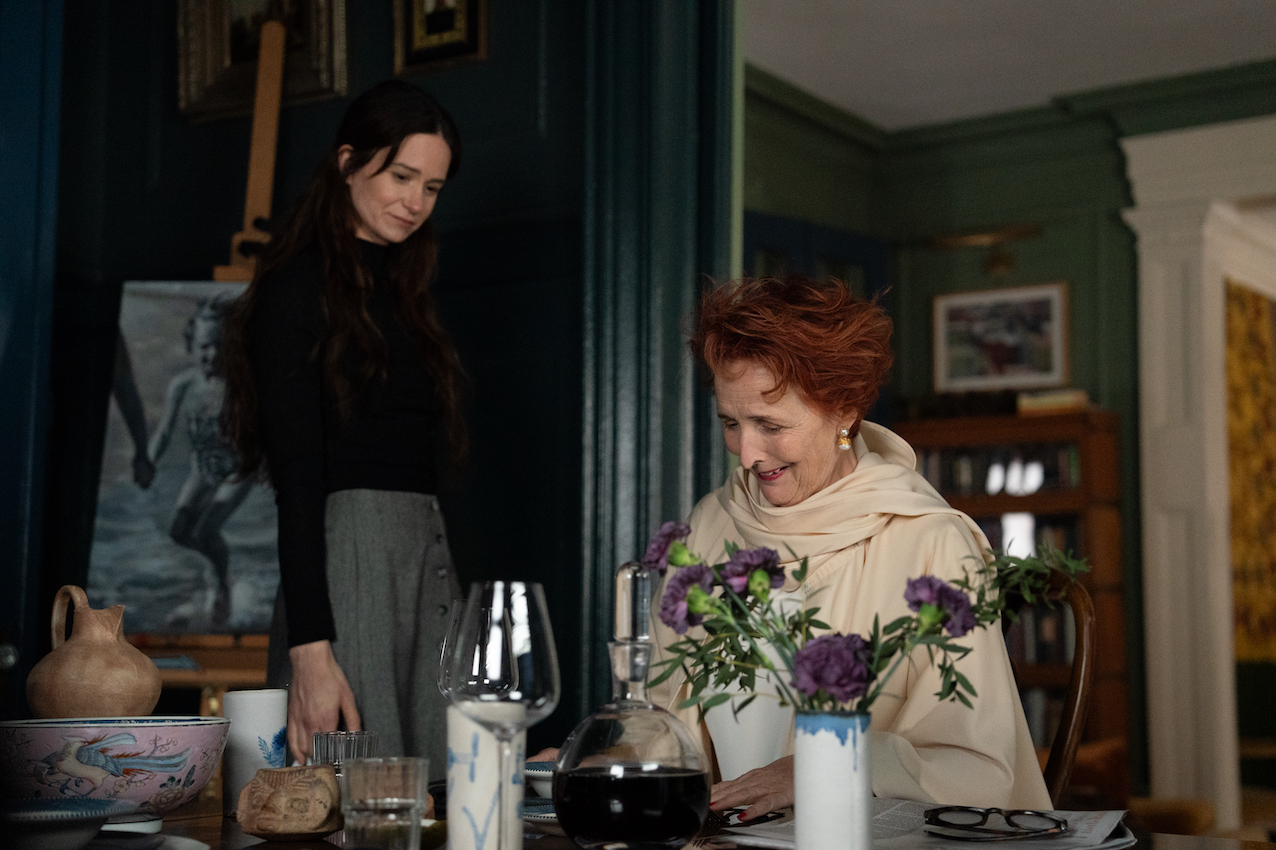
On paper, Park Avenue has it all; subject matter, setting and star. An analysis of a fraught mother-daughter relationship, the iconic backdrop of New York City’s Upper East Side and veteran thespian Fiona Shaw at the helm – what could possibly go wrong?
Well…
There’s a lot to unpack. The premise is simple; in an attempt to escape her husband, Charlotte (Katherine Waterston) leaves her life in the countryside to return to her childhood home on Park Avenue where her mother Kit (Fiona Shaw) still resides. Living together once again, the pair must learn to address various unresolved issues and revisit their relationship at these different stages of life. Charlotte is a grounded, hardy kind of person, whereas Kit is whimsy, eccentric, almost cartoon-like in her rainbow outfits and brightly dyed hair. Chalk and cheese.
The longer Charlotte stays the more both women regress into old (stereotypical) roles: Charlotte is petulant, stubborn, a teenager with adult baggage (the worst kind of teenager) and Kit is cold, uncaring and dismissive of her daughter’s woes. Both lie and neither can truly open up, resulting in constant headbutting and unsaid things.

Fiona Shaw carries the film acting-wise, able to deftly balance comedy with drama. Kit’s jabs, one-liners and couldn’t care less attitude are an obvious façade as she silently battles with illness and the pain of carrying around shattering family secrets for decades, something Shaw can effortlessly portray in moments of silence with a simple change of expression – quiet acting at its finest. The rest of the cast is serviceable; although Katherine Waterston nails the immature, petulant teen schtick she is unable to strike the same balance as Shaw when it comes to showing off a more tender, sincere side to her character, rendering Charlotte rather unlikeable. When, towards the end of the film, we do see some – stellar – emotional acting from Waterston it’s all a little too late.
Naturally, any New York City-based film worth its salt will make great use of the city’s natural allure and Park Avenue does just that. We get rooftops, Central Park, yellow cabs, the lot – and it works; the hustle and bustle of the city reflecting the chaos of life at Park Avenue which is a stark contrast to the opening shots of Charlotte out in the relative peace of the rolling hills.
So we have an intriguing story, great setting and a stand out performance from Shaw – what’s the problem with Park Avenue?
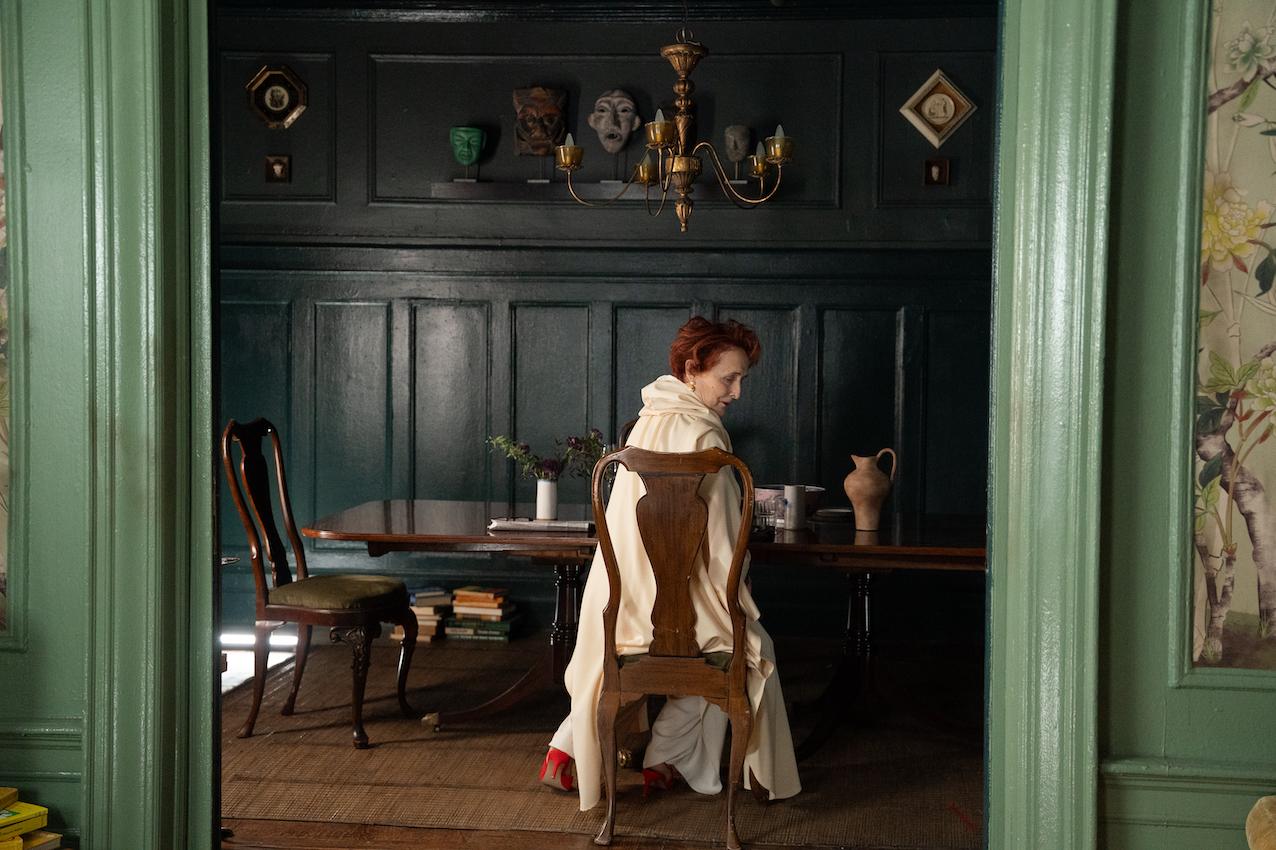
Gaby Dellal’s direction is just too fragmented to allow this story to breathe. Choppy cuts and a rapid pace mean there’s never any time to digest any emotional revelations meaning many of the bombshells dropped or crippling barbs dished out fail to carry any weight and fall a bit flat. Too many times the camera lands on a close-up of Shaw but cuts away before we have time to truly take in the nuances of her portrayal. Sometimes this is done for comedic effect but for the most part it results in a lack of impact.
The entire story seems like a collection of vignettes rather than a cohesive narrative and I don’t want to lay blame solely on the direction because the script doesn’t help either. An entire scene may have two lines of dialogue – often dripping in intrigue and the suggestion that these implications will be revisited later or serve some greater purpose – before we cut away, never to be addressed again. Charlotte and Kit feel like characters rather than people and this is largely because people just don’t behave the way they are written.
Yes, mother-daughter relationships are complicated by their very nature (at least, according to Hollywood) but the constant snarky comments, answering questions with questions, and going behind each other’s backs is just tiresome – everything is too on the nose, too performative to really become invested in these characters’ stories.
Much like the real Park Avenue, this film is largely style over substance.
In cinemas from November 14