By Trudi-Rose Edwards

Films like writer-director Nadia Connors’ The Uninvited aren’t all that common these days. It isn’t a remake or sequel, it isn’t a blockbuster crammed with CGI and special effects, nor is it an awards bait biopic; it’s a character-driven, dialogue-heavy insight into the pitfalls of Hollywood today.
With themes of love, regret and ageing at the forefront, The Uninvited almost feels like something from the Golden Age of Hollywood with its gorgeous shots of life in the Hollywood hills, al fresco dining in the warmth (though characters frequently tell us how unexpectedly cold it is that evening, donning their cashmere sweaters for comfort), and a stellar ensemble cast who all eat up their roles without trying to outshine each other.
I told you it was a rarity.
The concept is simple, Rose and Sammy Wright (Elizabeth Reaser and Walton Goggins respectively) are holding a classy soiree in their Los Angeles gated villa. Rose is a former actress turned mother and homemaker (with the help of a nanny, of course) who is struggling with the loss of her once promising career. Sammy is an irritable agent, keen to break away from his current agency and start up solo, hoping to bring his star client Gerald (Rufus Sewell) with him. Convincing Gerald to jump ship with him is the purpose of Sammy’s party (and a major reason for his stress) which absolutely must run smoothly.
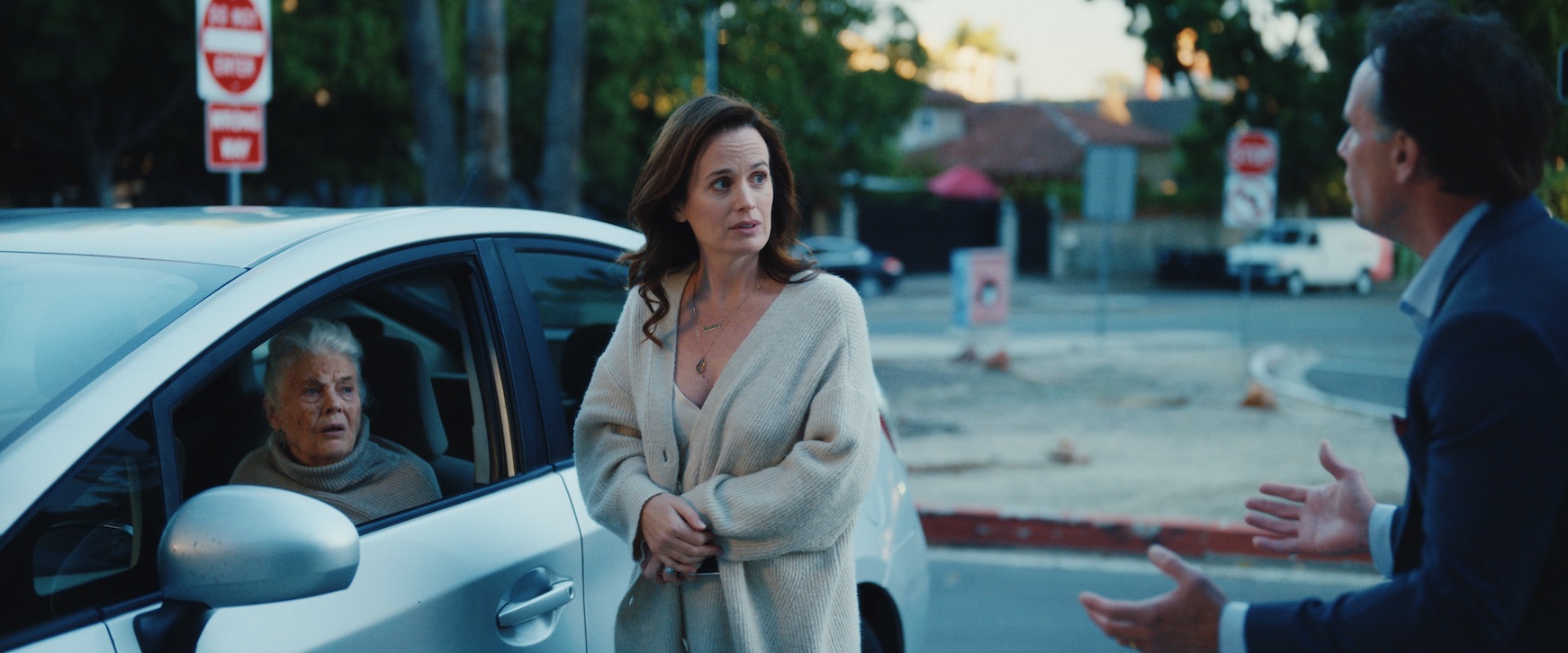
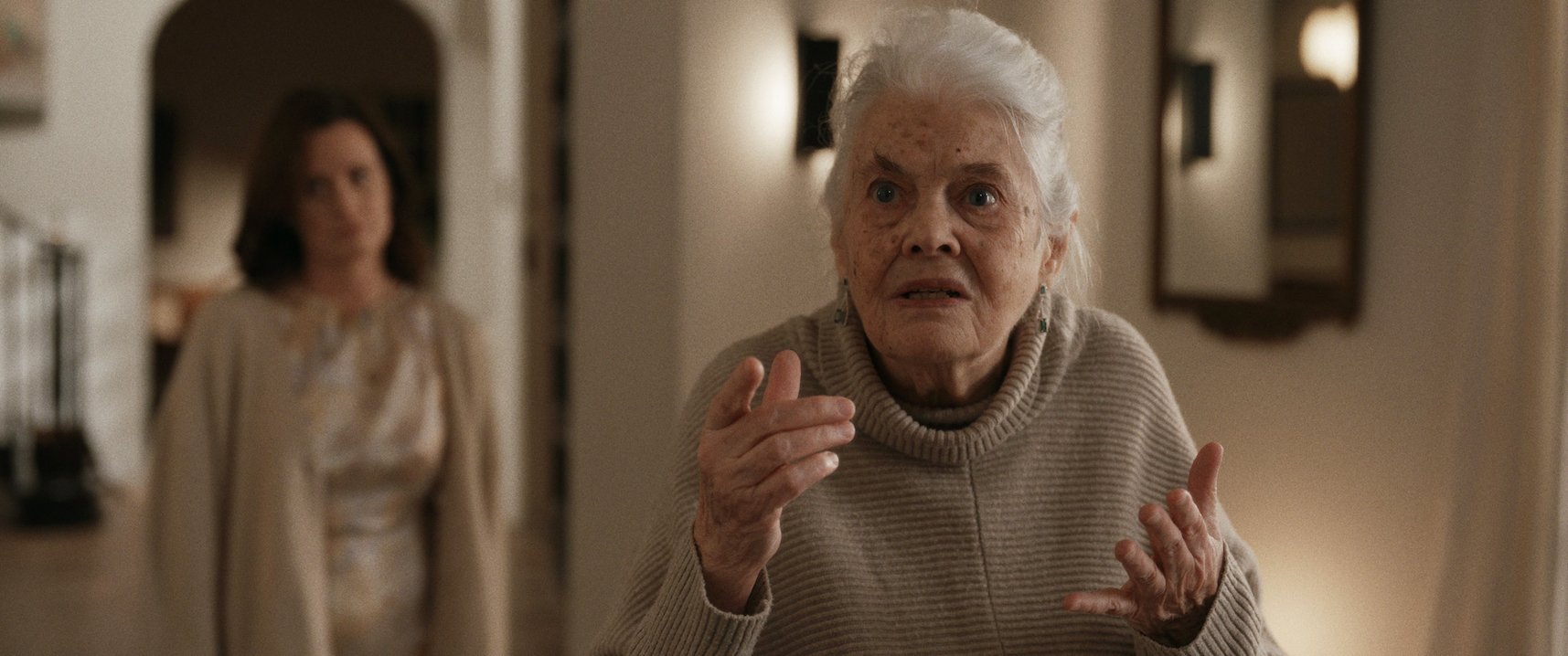
Enter Helen (played by the sublime Lois Smith) a nonagenarian who claims that Wrights’ house is her home. She’s clearly lost and a little confused and whilst Sammy is content to call the cops and send the old woman on her way, Rose takes a more sympathetic approach and allows this uninvited guest to enter their home.
Over the course of one night, The Uninvited explores themes that are very much prevalent in the world of Hollywood: the ironically age-old problem which sees actresses over 40 deemed irrelevant. This narrative has been in play since the 50s, bringing to mind the likes of Gloria Swanson in Sunset Boulevard or so-called ‘hagsploitation’ of Bette Davis and Joan Crawford in Whatever Happened to Baby Jane. And it is still an issue today, (one of Rose’s early voicemails tells her she’s too old to play the mother of a young child, despite having a young child herself.)
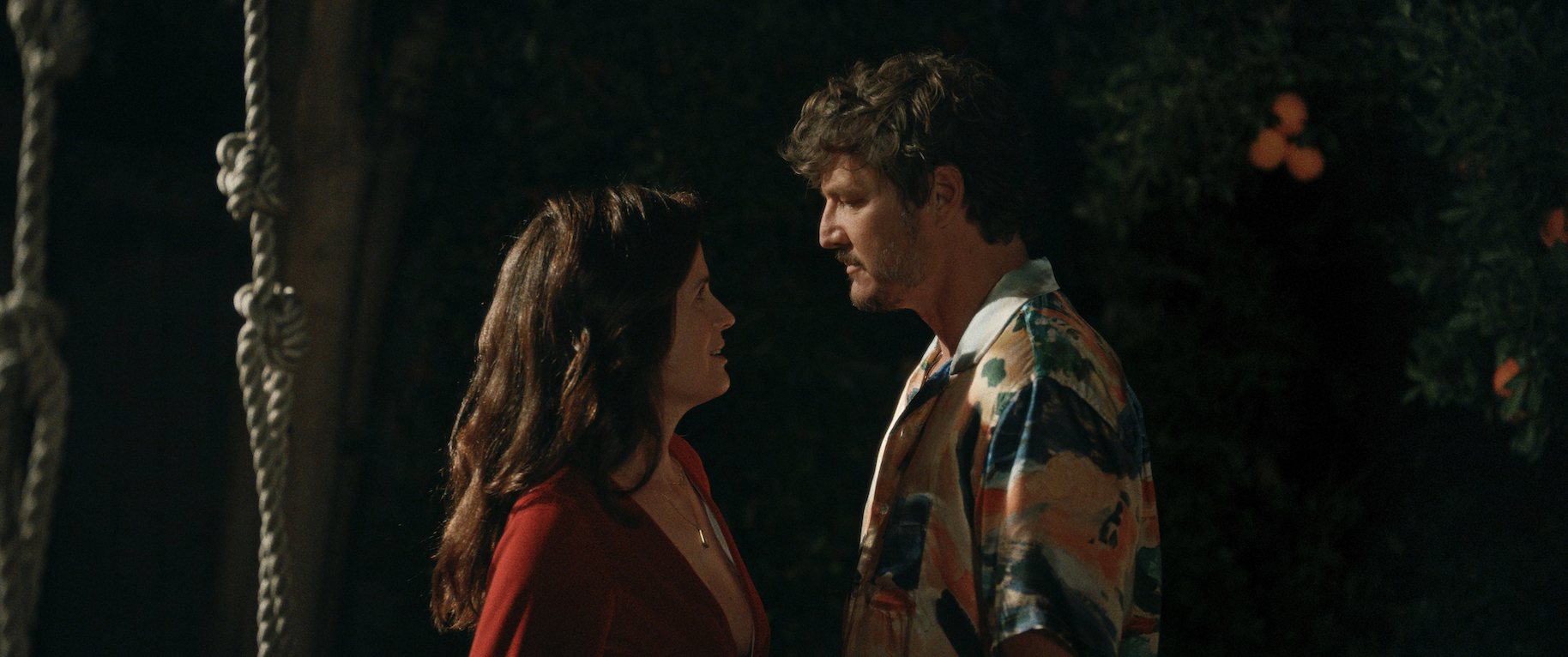
The Uninvited also dives into the capricious nature of showbusiness both for actors and their agents and the idea of sacrificing happiness to get ahead. The wonderful Pedro Pascal enters as Rose’s former flame, an actor who, being so intimidated by her craft, called off their relationship despite (still) being madly in love with her. One could argue that these themes are a little too exclusive for a broader audience – the extravagance of the Wrights’ party coupled with Sammy bemoaning how much he hates his (lucrative) job can evoke a ‘cry me a river’ response. But Rose’s confession that she hates how she lost herself after becoming a mother is an all too true feeling that many women feel too guilty to admit.
The cast is outstanding, particularly Lois Smith who brings some much need empathy to the ego-filled party and Elizabeth Reaser whose theatre experience is very apparent in her (many) dialogue filled scenes. It does at times, feel a little like a play adaptation (and apparently was originally conceived as a play) thanks to long monologues and static settings. But the sumptuous visuals make up for this with a number of outdoor shots that showcase the beautiful surroundings.
The script is solid and any weak points (some of the aforementioned monologues) are alleviated by the excellent ensemble. One gripe is that the final 15 minutes or so do drag a little, the story has effectively been told and it feels as though the film is trying too hard to find a natural close.
Ultimately, whether or not you relate to the characters’ woes, The Uninvited remains a treat.
The Uninvited is on in cinemas from 9 May
Photos courtesy of Foton Pictures